
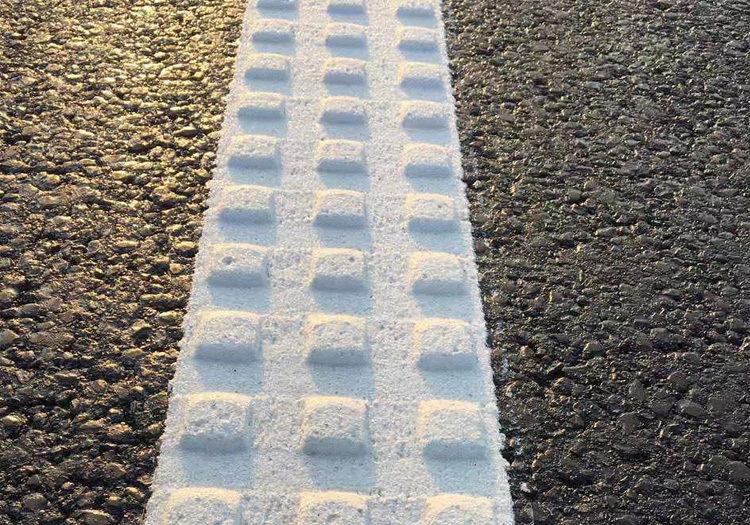




Everything You Need to Know About Highway Paint Lines
【Summary Description】 Discover the essential information about highway paint lines in the chemical industry, specifically in the paints and coatings sector. From the types of paint used to the application process, this art
Highway paint lines play a crucial role in guiding and regulating traffic on roads, ensuring the safety of both drivers and pedestrians. In the chemical industry, particularly in the paints and coatings sector, the formulation and application of highway paint lines are carefully considered to meet specific requirements.
One key aspect of highway paint lines is the type of paint used. Specialized paints are designed for highway markings, taking into account factors such as durability, visibility, and retroreflectivity. These paints are typically formulated with high-quality resins, pigments, and additives to withstand the harsh conditions of outdoor exposure.
In terms of application, highway paint lines are typically laid down using striping machines equipped with spray guns. The paint is applied in a precise and controlled manner to create straight lines, curves, and other markings as required by road design standards. Proper preparation of the surface, including cleaning and priming, is essential to ensure adhesion and longevity of the paint lines.
Maintenance of highway paint lines is also important to uphold visibility and adherence to traffic regulations. Regular inspections and repainting schedules are typically implemented to address wear and tear, fading, and other factors that may affect the effectiveness of the markings.
Overall, highway paint lines are a critical component of road infrastructure in maintaining order, safety, and efficiency in transportation. Understanding the intricacies of the paints and coatings used for these markings is essential for ensuring their functionality and durability in various environmental conditions.
Related Notes


Convenient Navigation
Contact Us
Address: Kechuang Industry,Tianyi Village,Dongcong Town, Nansha District, Guangzhou City, Guangdong Province, CHINA
+86 13427557901 Ms Vivian
( Whatsapp/Wechat/Line:008613427557901 Skype:vivian34686 )
online message