
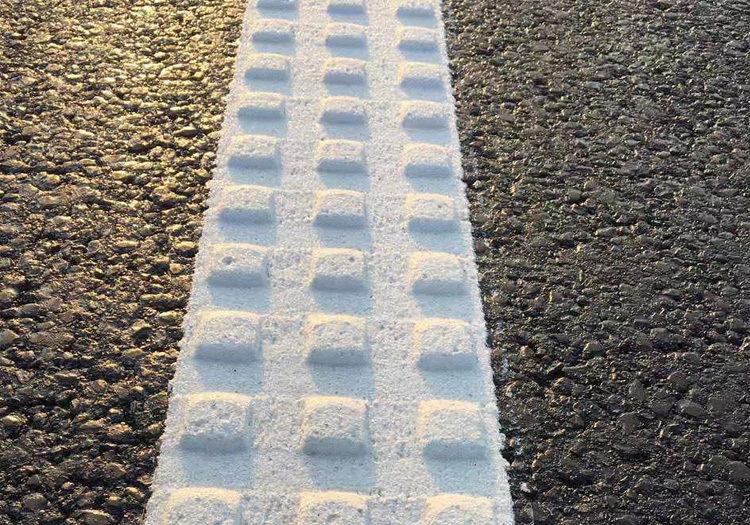




Everything You Need to Know About Highway Paint Line
【Summary Description】 Explore the world of highway paint line in the chemical industry of paints and coatings. Find out essential information related to this topic, from application techniques to benefits and consideration
When it comes to the realm of paints and coatings in the chemical industry, the topic of highway paint line holds significant importance. Highway paint lines play a crucial role in ensuring road safety, traffic management, and overall infrastructure aesthetics. In this article, we will delve into everything you need to know about highway paint line.
Highway paint lines are specially formulated coatings designed for application on roads, highways, and other transportation surfaces. These paints are typically made from durable materials that can withstand heavy traffic, extreme weather conditions, and UV exposure. They come in various colors and formulations to meet specific requirements such as reflectivity, durability, and visibility.
One key aspect of highway paint lines is their application techniques. These paints are usually applied using specialized equipment such as striping machines, airless sprayers, or stencils. Proper application is essential to ensure clear and uniform lines that are easily visible to drivers, especially during low light conditions or adverse weather.
Benefits of using highway paint lines include improved road safety, better traffic flow, and enhanced aesthetics. Clear and well-maintained paint lines help guide drivers, indicate lane divisions, and communicate important information such as speed limits, pedestrian crossings, and turning lanes. Additionally, reflective paints can increase visibility at night and in inclement weather, reducing the risk of accidents.
When considering highway paint lines for a project, it is essential to factor in various considerations. This includes the type of surface to be painted, traffic volume, climate conditions, and regulatory requirements. Choosing the right paint formulation, color, and application method is crucial to achieving the desired results and ensuring long-lasting performance.
In conclusion, highway paint lines play a vital role in the chemical industry of paints and coatings, particularly in the realm of road safety and infrastructure maintenance. By understanding the key aspects of these specialized coatings, from application techniques to benefits and considerations, professionals in the field can make informed decisions and contribute to creating safer and more efficient transportation systems.
Related Notes


Convenient Navigation
Contact Us
Address: Kechuang Industry,Tianyi Village,Dongcong Town, Nansha District, Guangzhou City, Guangdong Province, CHINA
+86 13427557901 Ms Vivian
( Whatsapp/Wechat/Line:008613427557901 Skype:vivian34686 )
online message