



What is the difference between hot melt line paint and cold paint line paint?
【Summary Description】 Road traffic is divided into: hot melt marking paint, cold paint marking paint at room temperature, colored anti-skid road marking on the ground, vibrating anti-skid backlit road marking, and prefabricated road marking. Hot melt marking paint is currently a widely used line drawing process in road traffic in China, with a short construction time, high performance, and low construction costs.
Road traffic is divided into: hot melt marking paint, cold paint marking paint, colored ground slip road marking, vibrating ground anti-slip backlight road marking, and prefabricated road marking. Hot melt marking paint is a widely used line drawing process in China's road traffic, with a short construction time, high performance, and low construction cost.
Road markings are subjected to sunlight, rain, and snow, and must withstand the impact and friction coefficient of vehicles, which imposes strict requirements on their characteristics. First, the drying time is short, and the actual operation is simple to reduce traffic interference; second, the reflective surface requires strong working ability, bright colors, and high brightness to ensure good visibility both day and night; third, it must have anti-slip performance and usability to ensure the safety and lifespan of manholes.
Road markings, industrial area road lines, factory underground parking lines, underground parking lines, school road lines, and residential area lines are divided into cold paint lines and hot melt lines, with colors classified as light yellow and white.
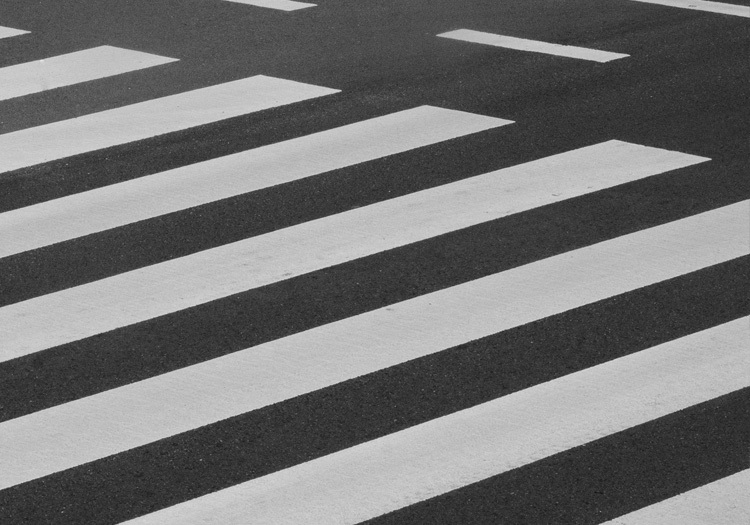
1. Cold paint line: uses special distance public cold building paint, human spray paint, with an average thickness and clear wind color. This includes parking lots, no parking double yellow line areas, safety passage lines, water barriers, and guiding arrows.
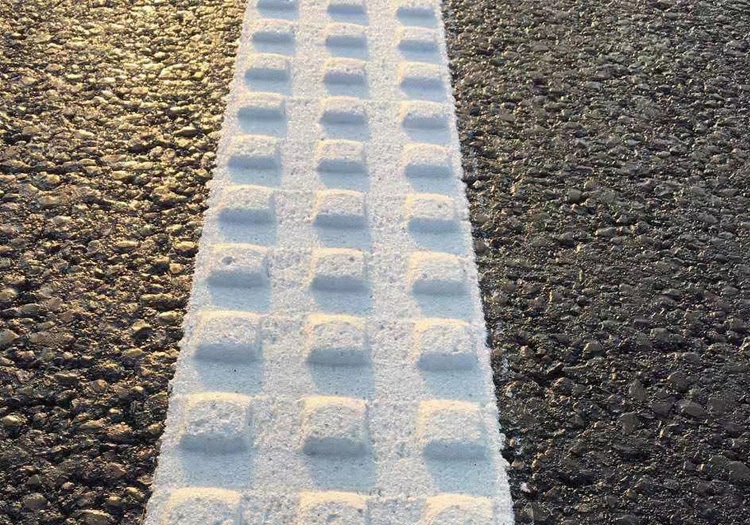
2. Hot melt coating line: Hot melt line coating is made from petroleum resin, EVA, PE wax, color fillers, and other materials. The normal temperature is powder, heated in a hot melt kettle to 180 - 220℃, and mixed and insulated for 3 - 5 minutes before being applied, adhering to the ground to form a hard coating. It features rich line shapes and strong performance, with good light reflection at night, widely used in highways and urban driving. When using the certificate, we will provide conflicting specification types for you to choose from according to customer requirements.
Characteristics of hot melt line coating materials
1. Strong adhesion: The epoxy resin composition is uniform, coated with a special rubber polyurethane elastomer at the bottom, ensuring strong adhesion. This ensures that the construction technology is fair and not easily disturbed by scattered scenery.
2. Good crack resistance: Hot melt road markings may crack due to temperature differences. Sufficient EVA epoxy resin should be used during coating to prevent cracking.
3. Bright colors: High-quality external film color paste is used, mixed evenly, with good aging resistance, and long-term resistance to fading.
4. High coating rate: With a relatively low density and large volume, the high coating rate is a significant feature.
5. Good stain resistance: The quality and use of PE wax are key factors in stain resistance.
Related Notes


Convenient Navigation
Contact Us
Address: Kechuang Industry,Tianyi Village,Dongcong Town, Nansha District, Guangzhou City, Guangdong Province, CHINA
+86 13427557901 Ms Vivian
( Whatsapp/Wechat/Line:008613427557901 Skype:vivian34686 )
online message